

Storing meat in a refrigerator for an extended period is a common concern for many consumers. As a supplier of Refrigerator and Chiller, I often encounter questions about the optimal storage conditions and the duration for which meat can be safely kept in a refrigerator. In this blog, I will delve into the science behind meat storage, the factors that affect its shelf - life, and how our high - quality refrigeration products can contribute to longer and safer meat storage.
The Science of Meat Preservation in Refrigerators
Meat is a perishable food item, rich in proteins, fats, and moisture, which makes it an ideal breeding ground for bacteria, yeasts, and molds. The primary purpose of refrigeration is to slow down the growth of these microorganisms, as most of them grow best at temperatures between 40°F (4°C) and 140°F (60°C), known as the "danger zone."
When meat is placed in a refrigerator, the cold temperature inhibits the metabolic activities of bacteria. For example, the growth rate of common meat - spoiling bacteria like Pseudomonas and Lactobacillus is significantly reduced at refrigerator temperatures (usually between 32°F - 40°F or 0°C - 4°C). However, it's important to note that refrigeration does not kill bacteria; it only slows their growth.
Factors Affecting the Longevity of Meat in the Refrigerator
Type of Meat
Different types of meat have different shelf - lives in the refrigerator. Fresh beef, pork, and lamb can generally be stored for 3 - 5 days when properly refrigerated. Ground meats, on the other hand, have a shorter shelf - life of about 1 - 2 days because they have a larger surface area exposed to air, which allows bacteria to multiply more quickly.
Poultry, such as chicken and turkey, is also highly perishable. Raw chicken can be stored in the refrigerator for 1 - 2 days, while cooked chicken can last 3 - 4 days. Seafood is even more delicate; fresh fish can be stored for 1 - 2 days in the refrigerator, and shellfish for 1 - 2 days as well.
Packaging
Proper packaging is crucial for extending the shelf - life of meat in the refrigerator. Vacuum - sealed packaging is ideal as it removes the oxygen that many bacteria need to grow. When meat is exposed to air, oxidation occurs, which can lead to discoloration, off - flavors, and a faster spoilage rate. If vacuum - sealing is not an option, wrapping the meat tightly in plastic wrap or aluminum foil can also help reduce air exposure.
Refrigerator Temperature
Maintaining a consistent and appropriate temperature is essential. If the refrigerator temperature is too high, bacteria will grow more rapidly. A temperature of 32°F - 38°F (0°C - 3°C) is optimal for meat storage. Fluctuations in temperature can also increase the risk of spoilage. Our Refrigerator and Chiller products are designed to maintain a stable temperature, ensuring that your meat stays fresh for as long as possible.
Hygiene
The cleanliness of the refrigerator also plays a role in meat storage. A dirty refrigerator can harbor bacteria that can contaminate the meat. Regularly cleaning the refrigerator shelves, drawers, and walls with a mild detergent and warm water can help prevent the spread of bacteria.
How Our Refrigeration Products Aid in Long - Term Meat Storage
Our company specializes in providing high - quality Refrigerator and Chiller solutions. Our products are equipped with advanced temperature control systems that can maintain a precise and consistent temperature within the optimal range for meat storage. This helps to slow down the growth of bacteria and preserve the quality of the meat.
The Monoblock Refrigeration Unit used in our refrigerators is highly efficient. It provides rapid cooling and ensures uniform temperature distribution throughout the refrigerator. This means that every piece of meat stored in the refrigerator is kept at the same ideal temperature, reducing the risk of spoilage.

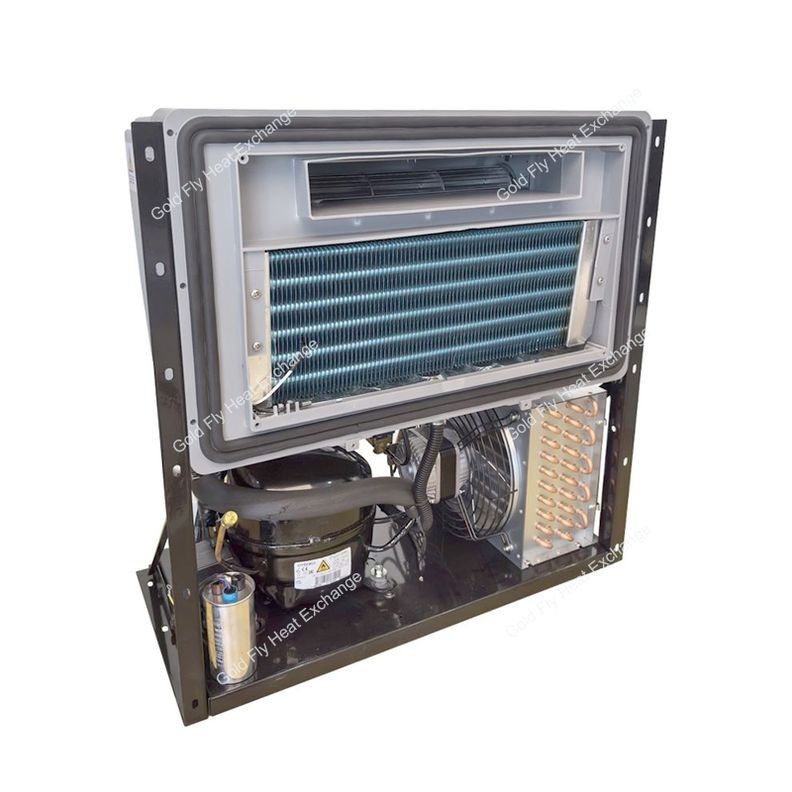
In addition, our refrigerators are designed with features that enhance hygiene. The interior materials are easy to clean and resistant to the growth of bacteria. Some of our models also come with air - purification systems that help to remove odors and harmful microorganisms from the air inside the refrigerator, further protecting the meat from spoilage.
Signs of Spoiled Meat
Even with the best refrigeration, meat will eventually spoil. It's important to be able to recognize the signs of spoiled meat to avoid consuming it.
Appearance
Spoiled meat may have a slimy or sticky texture. The color of the meat may also change; for example, fresh red meat may turn brownish - gray. Mold growth on the surface of the meat is a clear sign of spoilage.
Odor
Fresh meat has a characteristic, mild odor. Spoiled meat, however, will emit a strong, unpleasant smell, often described as sour or putrid.
Taste
If you're unsure about the safety of the meat and decide to take a small taste, a sour or off - flavor indicates spoilage. It's important to note that tasting spoiled food is not recommended as it can lead to foodborne illnesses.
Tips for Maximizing Meat Storage Time
- Freezing: If you don't plan to use the meat within the recommended refrigerator storage time, freezing is a great option. Most meats can be frozen for several months, although the quality may gradually decline over time.
- Labeling: Always label the meat with the date of purchase or storage. This will help you keep track of how long it has been in the refrigerator or freezer and ensure that you use the oldest meat first.
- Separation: Store different types of meat separately to prevent cross - contamination. Use separate drawers or containers for raw and cooked meats.
Conclusion
In conclusion, while it is possible to store meat in a refrigerator for a certain period, the duration depends on various factors such as the type of meat, packaging, refrigerator temperature, and hygiene. As a supplier of Refrigerator and Chiller, we are committed to providing products that can help you store meat safely and for a longer time. Our advanced refrigeration technology, including the Monoblock Refrigeration Unit, ensures optimal temperature control and hygiene.
If you are interested in our high - quality refrigeration products for your home or business, we invite you to contact us for a detailed discussion on purchasing. We can provide you with the best solutions tailored to your specific meat storage needs.
References
- "Food Safety and Inspection Service." United States Department of Agriculture.
- "The Science of Meat Preservation." Journal of Food Science.
- "Refrigeration Technology and Food Storage." International Journal of Refrigeration.