

Hey there! As a supplier of Refrigerator and Chiller, I've seen firsthand the importance of regular maintenance for these essential appliances. In this blog, I'll share why refrigerators and chillers need regular upkeep, the benefits it brings, and how it can save you a ton of headaches in the long run.
Let's start with the basics. Refrigerators and chillers are like the workhorses of the food and beverage industry, as well as many other sectors. They keep our perishables fresh, our drinks cold, and our products at the right temperature. But just like any other machine, they can wear out over time if not properly maintained.
One of the main reasons why regular maintenance is crucial is to ensure optimal performance. When a refrigerator or chiller is running smoothly, it uses less energy. This means lower electricity bills for you. Think about it - a well - maintained unit doesn't have to work as hard to keep the temperature stable. On the flip side, a neglected appliance might have to run constantly, guzzling up more power and hitting your wallet hard.
Another big factor is food safety. In commercial settings, especially in restaurants, grocery stores, and food processing plants, refrigerators and chillers are responsible for storing food that will be consumed by the public. If these units aren't maintained, the temperature inside can fluctuate. This can lead to the growth of harmful bacteria, which can cause foodborne illnesses. No one wants that kind of reputation, right?
Now, let's talk about the components of a refrigerator or chiller that need regular attention. The condenser coils are a prime example. These coils are responsible for releasing heat from the unit. Over time, they can get covered in dust, dirt, and debris. When this happens, the coils can't release heat efficiently, which makes the compressor work harder. The compressor is like the heart of the refrigeration system, and if it has to work overtime, it can wear out faster and eventually break down.
The evaporator coils also play a vital role. They absorb heat from the inside of the unit to keep it cool. If these coils ice up or get dirty, the cooling process can be disrupted. This can lead to uneven temperatures inside the refrigerator or chiller.
And then there are the gaskets. These are the rubber seals around the doors. If they're damaged or worn out, cold air can escape, and warm air can get in. This not only affects the temperature inside but also makes the unit work harder to maintain the right conditions.
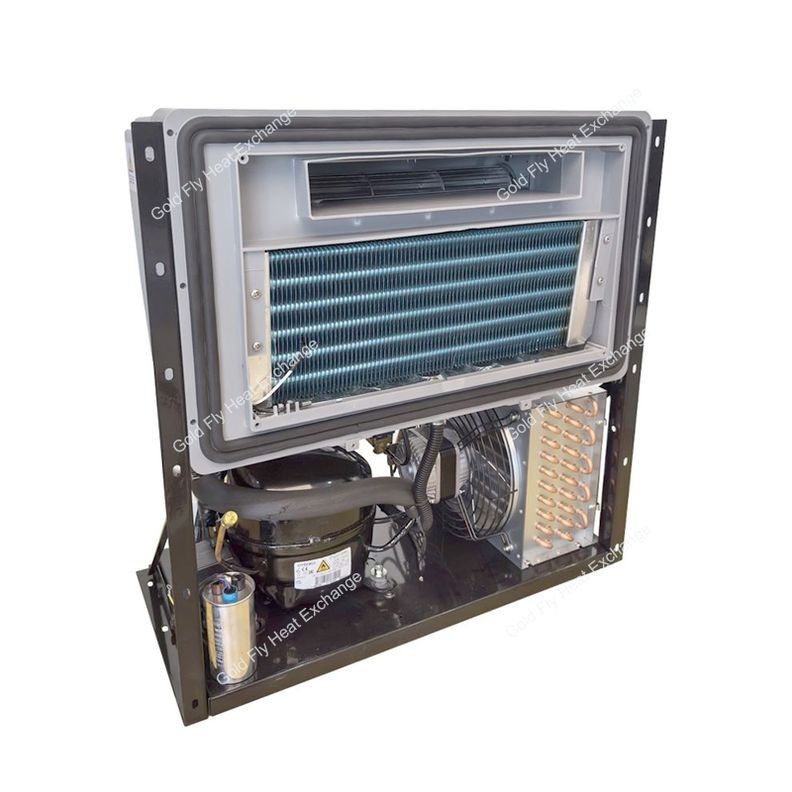

So, what does regular maintenance involve? Well, it starts with cleaning. Cleaning the condenser coils, evaporator coils, and the interior of the unit should be done on a regular basis. Depending on the usage, this could be monthly or quarterly. Checking the gaskets for any signs of damage and replacing them if needed is also important.
It's also a good idea to have a professional technician come in for a more in - depth inspection at least once a year. They can check the refrigerant levels, test the compressor, and make sure all the electrical components are working properly. They can also identify any potential problems early on and fix them before they turn into major issues.
Let's take a look at some real - world examples. I had a customer who owned a small café. They had been neglecting the maintenance of their refrigerator for a while. One day, they noticed that the milk was starting to spoil, and the ice cream was starting to melt. When I sent a technician to check it out, we found that the condenser coils were so dirty that the compressor was on the verge of failing. We cleaned the coils, checked the refrigerant levels, and made a few other adjustments. After that, the unit was running like new again, and the customer was able to avoid a costly replacement.
Now, you might be thinking, "This all sounds great, but it's going to cost me a lot of money, right?" Well, the truth is, regular maintenance is actually a cost - saving measure. Sure, there's an upfront cost for cleaning and inspections, but it's nothing compared to the cost of replacing a major component or an entire unit. And let's not forget the cost of lost inventory due to spoiled food.
At our company, we offer a range of Monoblock Refrigeration Unit that are designed for easy maintenance. Our units are built with high - quality components that are durable and reliable. But even with the best - built units, regular maintenance is still essential.
We also provide maintenance services to our customers. Our team of experienced technicians is trained to handle all types of refrigerators and chillers. Whether it's a small under - counter unit for a home kitchen or a large commercial walk - in cooler, we've got you covered.
If you're in the market for a new refrigerator or chiller, or if you need maintenance services for your existing units, don't hesitate to reach out. We're here to help you keep your products cool, your energy costs down, and your business running smoothly. Contact us to start a conversation about your refrigeration needs. We can offer you customized solutions based on your specific requirements.
In conclusion, refrigerators and chillers definitely require regular maintenance. It's not just about keeping the unit running; it's about ensuring energy efficiency, food safety, and the longevity of your investment. So, take the time to schedule regular maintenance, and you'll reap the benefits in the long run.
References
- ASHRAE Handbook - Refrigeration. This comprehensive handbook provides in - depth information on refrigeration systems, including maintenance best practices.
- Food and Drug Administration (FDA) Guidelines. These guidelines outline the requirements for food storage and handling, emphasizing the importance of proper refrigeration maintenance.