

In the realm of refrigeration technology, the choice of a condensing unit significantly impacts both the operational efficiency and the long - term cost of a refrigeration system. As a supplier of [R290 Condensing Unit]( /refrigeration - unit/monoblock - for - undercounter - fridge/r290 - condensing - unit.html), I am often asked about how the R290 condensing unit stacks up against other units in terms of operating cost. In this blog, I will delve into a comprehensive comparison to provide a clear understanding of its economic advantages.
Understanding R290 Condensing Unit
R290, also known as propane, is a natural refrigerant that has gained popularity in recent years due to its excellent thermodynamic properties and environmental friendliness. An R290 condensing unit is designed to efficiently transfer heat in a refrigeration system, playing a crucial role in maintaining the desired temperature in [Refrigerator and Chiller]( /refrigeration - unit/monoblock - for - undercounter - fridge/refrigerator - and - chiller.html) applications.
Energy Efficiency and Operating Cost
One of the most significant factors influencing operating cost is energy efficiency. R290 condensing units have a high coefficient of performance (COP), which means they can provide more cooling output for the same amount of electrical energy input compared to many traditional refrigerants. This is primarily because R290 has a lower boiling point and better heat transfer characteristics.
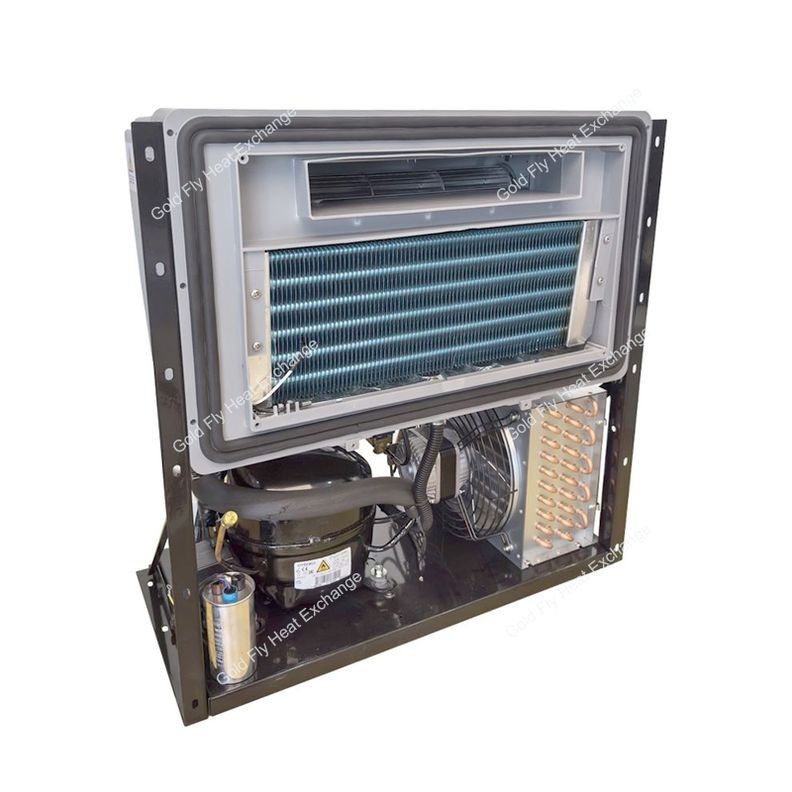
For instance, in a commercial under - counter fridge using a [Monoblock Refrigeration Unit]( /refrigeration - unit/monoblock - for - undercounter - fridge/monoblock - refrigeration - unit.html), an R290 condensing unit can cool the interior space more rapidly and maintain the set temperature with less energy consumption. This translates into lower electricity bills over time. According to industry research, R290 condensing units can reduce energy consumption by up to 30% compared to units using some common synthetic refrigerants.
Refrigerant Cost
The cost of the refrigerant itself is another aspect to consider. R290 is a natural refrigerant that is widely available and relatively inexpensive. In contrast, some synthetic refrigerants, such as R404A and R134a, are subject to strict regulations due to their high global warming potential (GWP). The production and distribution of these synthetic refrigerants are often more costly, and their prices are likely to increase as regulations become more stringent.
As a result, the cost of replenishing or replacing the refrigerant in an R290 condensing unit is much lower. This not only reduces the initial purchase cost but also the long - term maintenance cost associated with refrigerant management.
Maintenance and Lifespan
R290 condensing units generally require less maintenance compared to units using synthetic refrigerants. Since R290 is a natural substance, it is less likely to cause chemical reactions or corrosion within the refrigeration system. This means fewer breakdowns and less frequent servicing, which in turn reduces maintenance costs.
Moreover, the components of an R290 condensing unit are designed to work efficiently with the refrigerant, leading to a longer lifespan. A well - maintained R290 condensing unit can last up to 15 - 20 years, providing a longer period of reliable service and reducing the need for premature replacement. This extended lifespan further contributes to the overall reduction in operating cost.

Environmental Regulations and Incentives
In recent years, there has been a global push towards more environmentally friendly refrigeration solutions. Many countries and regions have introduced regulations to phase out high - GWP synthetic refrigerants. Using an R290 condensing unit helps businesses comply with these regulations, avoiding potential fines and penalties.
In addition, some governments offer incentives, such as tax breaks or subsidies, for businesses that adopt environmentally friendly refrigeration technologies. By choosing an R290 condensing unit, companies can not only save on operating costs but also benefit from these financial incentives.
Comparison with Other Common Units
Let's compare the R290 condensing unit with some other common types of condensing units in the market.
R404A Condensing Units
R404A has been a widely used refrigerant in commercial refrigeration. However, it has a very high GWP, which makes it less environmentally friendly. In terms of operating cost, R404A condensing units are less energy - efficient than R290 units. The higher energy consumption leads to increased electricity bills. Additionally, as mentioned earlier, the cost of R404A refrigerant is rising due to regulatory pressure.
R134a Condensing Units
R134a is commonly used in small - scale refrigeration applications. While it has a lower GWP than R404A, it still has a relatively high environmental impact compared to R290. R134a condensing units also tend to be less energy - efficient, resulting in higher operating costs over time.
Real - World Examples
To illustrate the cost - saving potential of R290 condensing units, let's consider a case study of a small restaurant. The restaurant uses several under - counter fridges to store food and beverages. Initially, they were using R404A condensing units. After switching to R290 condensing units, they noticed a significant reduction in their monthly electricity bill.

Over a year, the savings in electricity cost alone were substantial. Moreover, the reduced maintenance requirements meant that they spent less on servicing and repairs. In total, the switch to R290 condensing units resulted in a cost reduction of approximately 25% in the first year of operation.
Conclusion
In conclusion, the R290 condensing unit offers significant advantages in terms of operating cost compared to other units. Its high energy efficiency, low refrigerant cost, reduced maintenance requirements, and compliance with environmental regulations all contribute to long - term cost savings. Whether you are operating a small - scale refrigeration system or a large commercial [Refrigerator and Chiller]( /refrigeration - unit/monoblock - for - undercounter - fridge/refrigerator - and - chiller.html) installation, choosing an R290 condensing unit can be a wise economic decision.

If you are interested in learning more about our [R290 Condensing Unit]( /refrigeration - unit/monoblock - for - undercounter - fridge/r290 - condensing - unit.html) or wish to discuss your specific refrigeration needs, please feel free to contact us. We are ready to assist you in making the best choice for your business.
References
- "Energy Efficiency of Natural Refrigerants in Commercial Refrigeration," International Institute of Refrigeration.
- "Regulatory Trends in Refrigerant Use," Environmental Protection Agency.
- "Case Studies on Refrigeration System Upgrades," Refrigeration Research Foundation.