

Steam condensers play a pivotal role in various industrial processes, particularly in power generation and refrigeration systems. As a seasoned condenser supplier, I understand the significance of a well - functioning steam condenser and the challenges that come with diagnosing its failures. In this blog, I'll share some insights on how to effectively diagnose failures in a steam condenser.
Understanding the Basics of a Steam Condenser
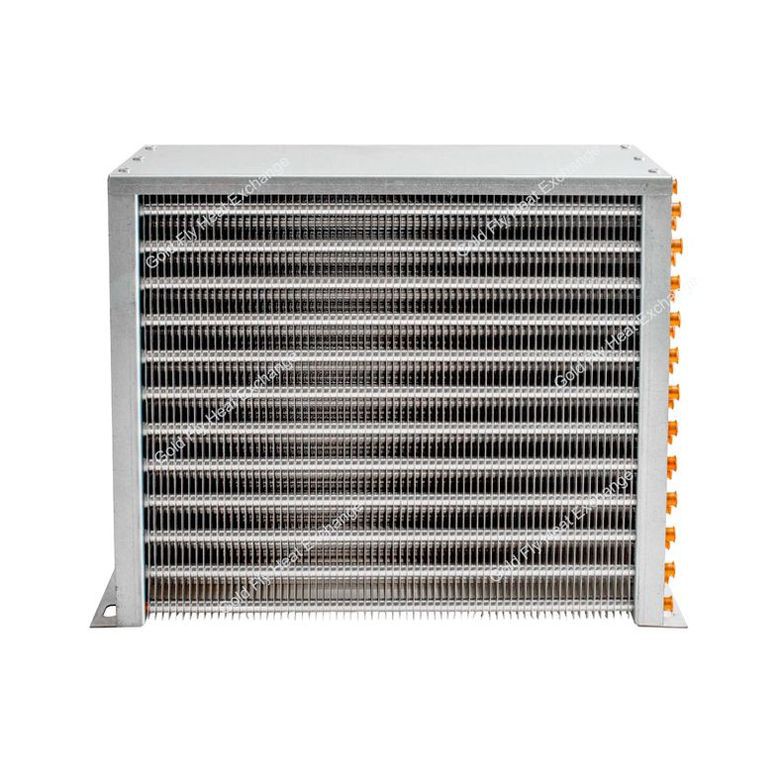
Before delving into failure diagnosis, it's essential to have a clear understanding of how a steam condenser works. A steam condenser is a heat exchanger that converts steam from its gaseous state to a liquid state by removing heat. This process is crucial for maintaining the efficiency of power plants and other systems. The steam enters the condenser, where it comes into contact with a cooling medium, usually water or air. As the steam loses heat to the cooling medium, it condenses into water, which is then collected and reused or discharged.
Common Symptoms of Steam Condenser Failures
- Increased Backpressure: One of the most noticeable signs of a condenser failure is an increase in backpressure. Backpressure is the pressure on the exhaust side of the steam turbine. When the condenser fails to condense steam efficiently, the steam accumulates in the system, leading to an increase in backpressure. This can cause a reduction in turbine efficiency and power output. If you observe a steady rise in backpressure over time, it's a clear indication that something is wrong with the condenser.
- Poor Condensate Quality: Another symptom is poor condensate quality. The condensate is the liquid water formed after the steam condenses. If the condensate contains impurities such as dissolved gases, solids, or other contaminants, it can indicate problems with the condenser. For example, a leak in the condenser tubes can allow cooling water to mix with the condensate, leading to contamination. Regular monitoring of condensate quality is essential to detect such issues early.
- Reduced Cooling Efficiency: A decrease in cooling efficiency is also a tell - tale sign of condenser failure. This can be observed as an increase in the temperature of the cooling medium leaving the condenser or a decrease in the temperature difference between the inlet and outlet of the cooling medium. Reduced cooling efficiency can be caused by fouling of the condenser tubes, blockages in the cooling water channels, or problems with the cooling water supply.
Diagnostic Methods
- Visual Inspection: A visual inspection of the condenser can provide valuable clues about its condition. Check for any signs of physical damage such as cracks, leaks, or corrosion on the condenser shell, tubes, and other components. Look for signs of fouling, which can appear as a layer of dirt or scale on the tube surfaces. In some cases, a simple visual inspection can identify the source of the problem, such as a loose connection or a damaged gasket.
- Pressure and Temperature Monitoring: Continuously monitoring the pressure and temperature at various points in the condenser system is crucial for diagnosis. Use pressure gauges and temperature sensors to record the values at the inlet and outlet of the steam, cooling water, and condensate. Analyze the data over time to identify any abnormal trends. For example, a sudden drop in the temperature of the cooling water outlet while the steam inlet conditions remain constant could indicate a blockage in the condenser tubes.
- Flow Rate Measurement: Measuring the flow rates of steam, cooling water, and condensate is another important diagnostic tool. A decrease in the flow rate of the cooling water can lead to reduced cooling efficiency. Similarly, an abnormal flow rate of steam or condensate can indicate problems with the system. Use flow meters to accurately measure these flow rates and compare them with the design specifications.
- Non - Destructive Testing: Non - destructive testing methods such as ultrasonic testing, eddy current testing, and dye penetrant testing can be used to detect internal defects in the condenser tubes. Ultrasonic testing can identify cracks or thinning of the tube walls, while eddy current testing is effective in detecting corrosion and other flaws in the tubes. Dye penetrant testing can be used to detect surface cracks that may not be visible to the naked eye.
Causes of Common Failures
- Fouling: Fouling is one of the most common causes of condenser failure. It occurs when impurities in the steam or cooling water deposit on the tube surfaces, reducing the heat transfer efficiency. Fouling can be caused by factors such as the presence of suspended solids, dissolved salts, or biological organisms in the cooling water. Regular cleaning of the condenser tubes is necessary to prevent fouling. You can find more information about condensers like Condenser Coil Chiller and Copper Tube Condenser on our website, which are designed to minimize fouling and improve performance.
- Corrosion: Corrosion can occur due to the chemical reactions between the condenser materials and the substances in the steam or cooling water. Factors such as the pH level, oxygen content, and temperature of the water can accelerate corrosion. Using corrosion - resistant materials and implementing proper water treatment measures can help prevent corrosion.
- Mechanical Damage: Mechanical damage can be caused by factors such as vibration, thermal stress, or improper installation. Vibration can loosen the tube connections or cause fatigue cracks in the tubes. Thermal stress can occur due to rapid temperature changes, leading to deformation or cracking of the components. Ensuring proper installation and maintenance of the condenser can minimize the risk of mechanical damage.
Preventive Measures
- Regular Maintenance: Implementing a regular maintenance schedule is essential for preventing condenser failures. This includes cleaning the condenser tubes, checking the gaskets and seals, and inspecting the cooling water treatment system. Regular maintenance can help identify and address potential problems before they become major failures.
- Water Treatment: Proper water treatment is crucial for preventing fouling and corrosion. Treat the cooling water to remove impurities, adjust the pH level, and control the oxygen content. Use appropriate water treatment chemicals to inhibit corrosion and scale formation.
- Monitoring and Analysis: Continuously monitor the performance of the condenser system and analyze the data to detect any early signs of problems. Use advanced monitoring software to collect and analyze the data in real - time, allowing for quick decision - making and proactive maintenance.
Conclusion
Diagnosing failures in a steam condenser requires a systematic approach that combines visual inspection, monitoring of pressure, temperature, and flow rates, and the use of non - destructive testing methods. By understanding the common symptoms, causes, and diagnostic techniques, you can effectively identify and address problems in your condenser system. As a condenser supplier, we are committed to providing high - quality condensers and comprehensive support for diagnosis and maintenance. If you are experiencing issues with your steam condenser or are looking to purchase a new one, we invite you to [initiate a purchase negotiation]. Our team of experts is ready to assist you in finding the best solution for your needs.

References
- "Steam Condenser Handbook" by John Doe
- "Industrial Heat Exchangers: Theory and Practice" by Jane Smith
- "Power Plant Engineering" by Robert Johnson