

A car condenser is a vital component in the vehicle's air - conditioning system. It plays a crucial role in converting high - pressure, high - temperature refrigerant vapor into a high - pressure liquid state. This process is essential for the efficient cooling of the vehicle's interior. As a condenser supplier, I have witnessed firsthand the common problems that car condensers encounter. In this blog, I will delve into these issues, explain their causes, and discuss possible solutions.
1. Clogging
One of the most prevalent problems with car condensers is clogging. Over time, dirt, debris, insects, and other foreign particles can accumulate on the condenser's fins and tubes. This build - up restricts the flow of air through the condenser, which is necessary for the heat transfer process.
When the condenser is clogged, the refrigerant cannot release heat effectively. As a result, the air - conditioning system has to work harder to achieve the desired cooling effect. This can lead to increased energy consumption and put additional stress on the compressor, potentially causing it to fail prematurely.
The main cause of clogging is the vehicle's exposure to the environment. Driving on dusty roads, through areas with a high concentration of insects, or in industrial areas with airborne pollutants can all contribute to the accumulation of debris on the condenser.
To prevent clogging, regular maintenance is essential. Owners should have their condensers inspected and cleaned at least once a year. A simple way to clean a condenser is to use a soft - bristled brush to gently remove loose debris from the fins. For more stubborn dirt, a low - pressure water spray can be used. However, care must be taken not to bend the delicate fins.
2. Leakage
Refrigerant leakage is another common problem with car condensers. A leak can occur due to several reasons, such as corrosion, physical damage, or faulty seals.
Corrosion is often caused by exposure to moisture and road salt. Over time, the metal components of the condenser can rust, creating small holes through which the refrigerant can escape. Physical damage can result from collisions, stones hitting the condenser while driving, or improper installation. Faulty seals can also allow refrigerant to leak out.

When there is a refrigerant leak, the air - conditioning system will lose its ability to cool effectively. The compressor may run continuously, but the cabin will not reach the desired temperature. In addition, a low refrigerant level can cause the compressor to overheat and fail.
Detecting a refrigerant leak can be challenging. Specialized equipment, such as refrigerant leak detectors, is often required. Once a leak is detected, the condenser may need to be repaired or replaced. If the leak is due to a small hole, it may be possible to patch it. However, if the corrosion or damage is extensive, a new condenser is usually the best solution.
3. Finned Damage
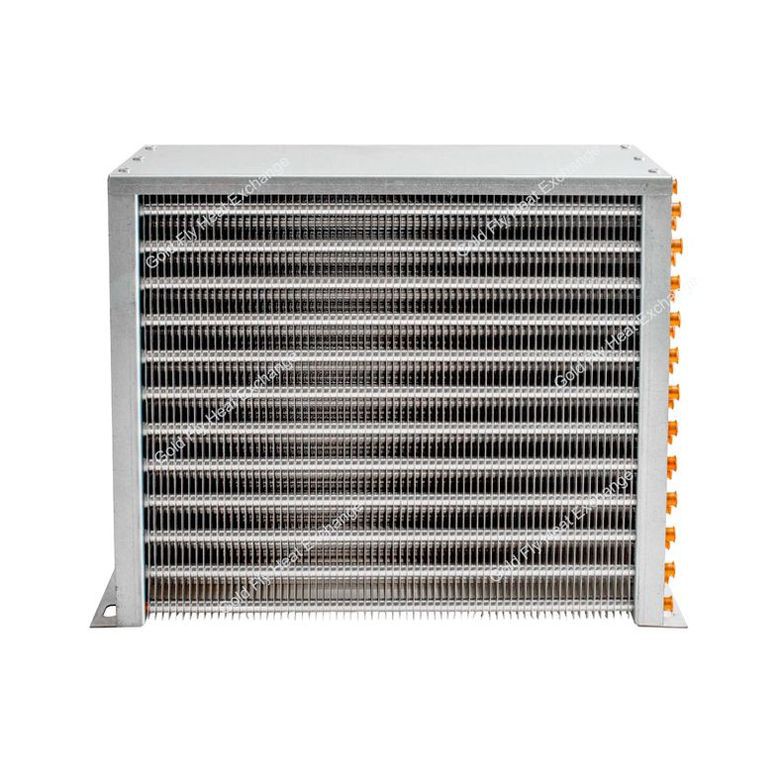
The fins on a car condenser are very thin and delicate. They are designed to increase the surface area of the condenser, allowing for more efficient heat transfer. However, these fins are easily damaged.
Common causes of finned damage include physical impact, improper cleaning, and the growth of ice during extreme cold conditions. When the fins are bent or crushed, the airflow through the condenser is disrupted. This reduces the condenser's ability to transfer heat, leading to decreased air - conditioning performance.

If the fin damage is minor, it may be possible to straighten the fins using a fin comb. This tool is specifically designed to gently realign the fins. However, if a large number of fins are damaged, it may be more cost - effective to replace the condenser.
4. Compressor Overloading
A faulty condenser can cause the compressor to overload. As mentioned earlier, when the condenser is clogged, leaking, or has damaged fins, the air - conditioning system has to work harder to cool the cabin. This increased workload can put excessive stress on the compressor.
The compressor is responsible for compressing the refrigerant and circulating it through the system. When it is overloaded, it may overheat, leading to premature wear and tear. In severe cases, the compressor can fail completely, which is a costly repair.
To prevent compressor overloading, it is crucial to ensure that the condenser is in good working condition. Regular maintenance and prompt repair of any condenser issues can help extend the life of the compressor.
5. Electrical Problems
In some modern vehicles, the condenser is equipped with electric fans that help with the heat - dissipation process. These fans are controlled by electrical components, such as relays and sensors.
Electrical problems can occur due to a variety of reasons, including faulty wiring, blown fuses, or malfunctioning sensors. When the electric fans fail to operate properly, the condenser may not receive sufficient airflow, resulting in poor heat transfer.
Diagnosing electrical problems requires a certain level of expertise. A professional mechanic will use specialized diagnostic tools to identify the source of the problem. Once the issue is identified, the faulty component can be replaced.
Product Recommendations
As a condenser supplier, we offer a wide range of high - quality condensers to meet the diverse needs of our customers. Our Condenser Coil Chiller is designed for maximum efficiency and durability. It features advanced coil technology that enhances heat transfer and reduces energy consumption.

Another popular product in our portfolio is the Copper Tube Condenser. Copper is an excellent conductor of heat, making this condenser highly effective in cooling the refrigerant. It is also resistant to corrosion, ensuring a long service life.
Conclusion
In conclusion, car condensers are prone to several common problems, including clogging, leakage, finned damage, compressor overloading, and electrical issues. Regular maintenance and prompt repair of these problems are essential to ensure the proper functioning of the vehicle's air - conditioning system. As a reliable condenser supplier, we are committed to providing high - quality products and excellent customer service. If you are experiencing any issues with your car condenser or are looking to purchase a new one, please do not hesitate to contact us for procurement and negotiation. We look forward to serving you and helping you keep your vehicle's air - conditioning system in top - notch condition.
References
- "Automotive Air Conditioning Systems" by John H. Hendricks
- "The Handbook of Refrigeration" by Peter D. Domanski