

Hey there! As a supplier of Refrigerator and Chiller, I've seen my fair share of issues with these appliances. In this blog, I'll share some signs that your refrigerator or chiller might need a repair.
1. Temperature Fluctuations
One of the most obvious signs that something's wrong with your fridge or chiller is when the temperature inside isn't consistent. You might notice that your food is starting to spoil faster than usual, or that ice cream is melting. This could be due to a faulty thermostat, a problem with the compressor, or a refrigerant leak.
The thermostat is like the brain of your cooling unit. It's supposed to sense the temperature inside and turn the compressor on and off as needed. If it malfunctions, it can't regulate the temperature properly. A simple way to check if the thermostat is the issue is to use a separate thermometer inside the fridge. If the reading on the thermometer is way off from the temperature setting on the fridge, then the thermostat might be broken.
The compressor is another crucial part. It's responsible for circulating the refrigerant and keeping the cooling process going. When the compressor fails, the fridge can't cool effectively. You might hear strange noises coming from the compressor area, or it might not turn on at all.
A refrigerant leak is also a serious problem. Refrigerant is what absorbs the heat inside the fridge and releases it outside. If there's a leak, there won't be enough refrigerant to cool the unit, and the temperature will rise. You might notice a hissing sound, which could indicate a refrigerant leak.
2. Excessive Noise
If your fridge or chiller is suddenly making a lot of noise, it's definitely a red flag. Normal refrigerators and chillers do make some noise when they're running, but it should be a low, humming sound. If you start hearing loud rattling, buzzing, or screeching noises, it's time to investigate.
One possible cause of excessive noise is a loose part. Over time, the vibrations from the compressor and other moving parts can cause screws and bolts to come loose. You can try to tighten any visible screws, but if the noise persists, it's probably something more serious.
Another reason for the noise could be a problem with the fan. The fan helps to circulate the air inside the fridge and expel heat from the compressor. If the fan blades are damaged or the motor is failing, it can create a lot of noise. You might also notice that the fridge isn't cooling as well as it should, as the air circulation is disrupted.
3. Frost Buildup
A little bit of frost in the freezer is normal, but if you're having to chip away at thick layers of ice on a regular basis, there's an issue. Frost buildup can be caused by a few different things.
One common cause is a faulty door seal. If the seal around the door isn't tight, warm air can leak into the fridge or freezer. When this warm, moist air comes into contact with the cold interior, it condenses and freezes, leading to frost buildup. You can check the door seal by closing a piece of paper in the door. If you can easily pull the paper out, the seal needs to be replaced.
Another possible cause is a problem with the defrost system. Most modern refrigerators and chillers have a defrost cycle that melts the frost that accumulates on the evaporator coils. If the defrost timer, heater, or thermostat malfunctions, the defrost cycle won't work properly, and frost will build up.
4. Water Puddles
Finding water puddles on the floor in front of your fridge or chiller is never a good sign. There are a few reasons why this might be happening.
The first thing to check is the drain pan. The drain pan is located at the bottom of the fridge and collects the water that drips down from the defrost cycle. If the drain pan is cracked or overflowing, water will leak out onto the floor.

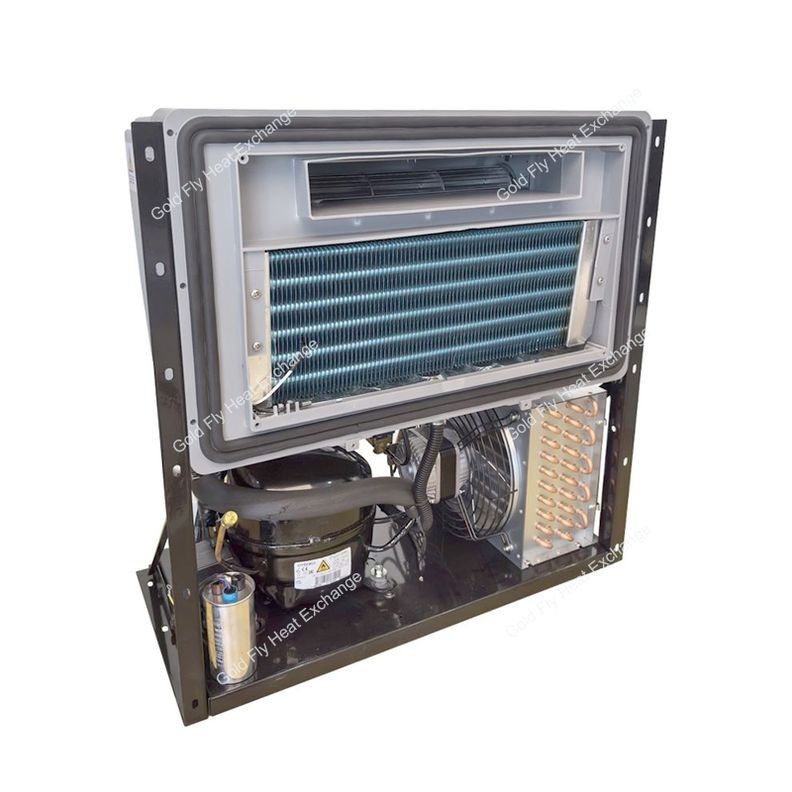
Another possible cause is a clogged drain tube. The drain tube carries the water from the defrost cycle to the drain pan. If it gets clogged with debris or ice, the water can't flow properly, and it will back up and leak out. You can try to clear the drain tube with a pipe cleaner or a mixture of warm water and vinegar.
5. Strange Smells
If your fridge or chiller smells bad, it could be a sign of a problem. The most common cause of a bad smell is spoiled food. But if you've emptied the fridge and the smell still persists, it could be something else.
A dirty or moldy interior can cause a foul smell. You can clean the inside of the fridge with a mixture of water and baking soda to get rid of the odor. However, if the smell is coming from the compressor or the back of the fridge, it could be a sign of an electrical or mechanical problem. For example, overheating components can give off a burning smell.
6. High Energy Bills
If your energy bills have been skyrocketing lately, your fridge or chiller could be the culprit. When these appliances aren't working efficiently, they have to work harder to maintain the desired temperature, which uses more electricity.
As mentioned earlier, issues like a faulty compressor, a refrigerant leak, or a malfunctioning thermostat can all cause the fridge to consume more energy. If you notice a significant increase in your energy bills and you suspect your fridge or chiller is the problem, it's a good idea to have it checked out.
Why Choose Our Refrigerator and Chiller and Monoblock Refrigeration Unit?
We're a trusted supplier of high - quality refrigerators and chillers. Our products are built to last and are designed to be energy - efficient. If you're in the market for a new unit or need parts for your existing one, we've got you covered. Our Monoblock Refrigeration Unit is a great option for those looking for a compact and reliable cooling solution.
If you're experiencing any of the issues mentioned above with your current fridge or chiller, don't hesitate to reach out. Our team of experts can help you diagnose the problem and find the best solution. Whether it's a simple repair or a complete replacement, we're here to assist you. Contact us to start a conversation about your refrigeration needs and let's work together to find the perfect solution for you.
References
- "Refrigerator Repair Handbook" by Home Repair Publishing
- "The Complete Guide to Chiller Maintenance" by Cooling Systems Institute