

As a seasoned supplier of R290 condensing units, I've received numerous inquiries about the defrosting cycle time of these units. This topic is crucial as it directly impacts the efficiency, performance, and lifespan of refrigeration systems. In this blog, I'll delve into the factors influencing the defrosting cycle time of R290 condensing units, provide some general guidelines, and share insights based on my experience in the industry.
Understanding R290 Condensing Units
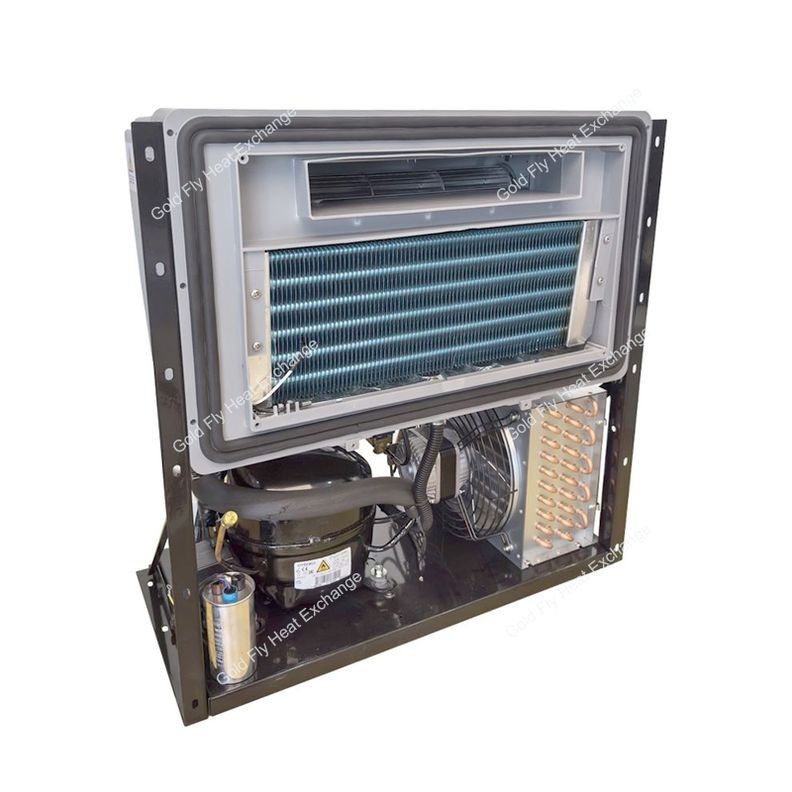
R290, also known as propane, is a natural refrigerant that has gained popularity in recent years due to its low global warming potential (GWP) and excellent thermodynamic properties. R290 condensing units are widely used in various refrigeration applications, including Refrigerator and Chiller and Monoblock Refrigeration Unit. These units consist of a compressor, condenser, expansion device, and evaporator, working together to remove heat from the refrigerated space and maintain the desired temperature.
The Importance of Defrosting
During the normal operation of a refrigeration system, moisture in the air can condense on the evaporator coils and freeze, forming a layer of frost. This frost buildup can reduce the heat transfer efficiency of the evaporator, increase the energy consumption of the system, and eventually lead to poor cooling performance. Therefore, regular defrosting is necessary to remove the frost and restore the optimal operation of the refrigeration system.
Factors Affecting Defrosting Cycle Time
The defrosting cycle time of an R290 condensing unit can vary depending on several factors, including:
1. System Design and Configuration
The design and configuration of the refrigeration system play a significant role in determining the defrosting cycle time. Factors such as the size and type of the evaporator, the airflow rate, and the location of the defrost heater can all affect how quickly the frost is removed. For example, a larger evaporator may require a longer defrosting time to ensure that all the frost is melted.

2. Operating Conditions
The operating conditions of the refrigeration system, such as the ambient temperature, humidity, and the load on the system, can also impact the defrosting cycle time. Higher ambient temperatures and humidity levels can increase the rate of frost formation, requiring more frequent and longer defrosting cycles. Similarly, a higher load on the system can cause more moisture to be removed from the air, leading to faster frost buildup.
3. Defrosting Method
There are several methods of defrosting a refrigeration system, including electric defrost, hot gas defrost, and reverse cycle defrost. Each method has its own advantages and disadvantages, and the choice of defrosting method can affect the defrosting cycle time. For example, electric defrost is a simple and effective method, but it can be relatively slow compared to hot gas defrost.
4. Frost Thickness
The thickness of the frost layer on the evaporator coils is another important factor that determines the defrosting cycle time. A thicker layer of frost will take longer to melt, requiring a longer defrosting cycle. Therefore, it's important to monitor the frost buildup and initiate the defrosting cycle before the frost becomes too thick.
General Guidelines for Defrosting Cycle Time
While the defrosting cycle time can vary depending on the factors mentioned above, there are some general guidelines that can be followed. In most cases, a defrosting cycle should be initiated when the frost layer on the evaporator coils reaches a thickness of about 1/8 to 1/4 inch. The defrosting cycle should be long enough to completely melt the frost, but not so long that it causes the temperature in the refrigerated space to rise significantly.
For small to medium-sized R290 condensing units used in commercial refrigeration applications, the defrosting cycle time typically ranges from 10 to 30 minutes. However, for larger systems or systems operating in harsh conditions, the defrosting cycle time may be longer. It's important to note that these are just general guidelines, and the actual defrosting cycle time should be determined based on the specific requirements of the refrigeration system.
Monitoring and Adjusting the Defrosting Cycle
To ensure the optimal performance of the refrigeration system, it's important to monitor the defrosting cycle regularly and make adjustments as needed. This can be done by installing a defrost timer or a defrost control system that can automatically initiate the defrosting cycle based on the pre-set time or the frost thickness. Additionally, it's important to check the defrost heater and other components of the defrosting system regularly to ensure that they are working properly.
Conclusion
The defrosting cycle time of an R290 condensing unit is an important factor that affects the efficiency and performance of the refrigeration system. By understanding the factors that influence the defrosting cycle time and following the general guidelines, you can ensure that your refrigeration system operates at its best. If you have any questions or need further assistance with your R290 condensing unit, please don't hesitate to contact us. We're here to help you find the best solution for your refrigeration needs.
Whether you're in the market for a new Refrigerator and Chiller or a Monoblock Refrigeration Unit, we have a wide range of high-quality R290 condensing units to choose from. Our experienced team can provide you with professional advice and support to help you select the right unit for your application. Contact us today to start the procurement discussion and take the first step towards a more efficient and sustainable refrigeration solution.
References
- ASHRAE Handbook - Refrigeration
- International Institute of Ammonia Refrigeration (IIAR) Standards
- Manufacturer's technical documentation for R290 condensing units