

Hey there! As a supplier of Evaporator Coil Dimensions, I often get asked about regulations regarding evaporator coil dimensions. So, I thought I'd write this blog to share what I know and clear up any confusion.
First off, let's talk about why evaporator coil dimensions matter. Evaporator coils are a crucial part of HVAC (Heating, Ventilation, and Air Conditioning) systems, as well as refrigeration units. They're responsible for absorbing heat from the surrounding air or liquid, which is then transferred to the refrigerant inside the coil. The dimensions of these coils play a huge role in how efficiently they can perform this heat transfer.
Now, are there regulations? Well, the answer is yes and no. There isn't a one - size - fits - all set of global regulations that specifically dictate the exact dimensions of evaporator coils. However, there are industry standards and codes that have an impact on how the coils are designed and sized.
One of the most well - known standards is set by ASHRAE (American Society of Heating, Refrigerating and Air - Conditioning Engineers). ASHRAE has a bunch of guidelines related to HVAC and refrigeration systems. These guidelines are more about the performance requirements of the entire system rather than the specific dimensions of the evaporator coil. For example, they specify the minimum efficiency levels that a system should achieve. Since the size of the evaporator coil affects the system's efficiency, indirectly, these standards influence the coil dimensions.
Let's say you're designing an evaporator coil for a commercial building's HVAC system. ASHRAE standards will tell you how much heat the system needs to remove from the building based on factors like the size of the space, the number of occupants, and the amount of equipment generating heat. Based on these requirements, you'll need to size the evaporator coil appropriately to meet the system's efficiency goals.
Another set of regulations comes from local building codes. These codes can vary widely from one area to another. Some local codes might have requirements regarding the safety and environmental impact of HVAC and refrigeration systems. For instance, they might limit the use of certain refrigerants that are harmful to the ozone layer or have high global warming potential. Since different refrigerants have different heat transfer characteristics, this can also affect the size and design of the evaporator coil.
If a local code mandates the use of a more environmentally friendly refrigerant with lower heat transfer efficiency, you might need to increase the size of the evaporator coil to achieve the same level of performance as a system using a less - regulated refrigerant.
In addition to these, there are also standards from regulatory bodies like UL (Underwriters Laboratories). UL focuses on product safety. They test and certify evaporator coils to ensure that they meet safety requirements. While they don't directly regulate the dimensions, the safety features and construction methods they require can influence the overall size and shape of the coil.
For example, UL might require certain insulation materials or safety guards around the coil. These additional components can add to the overall dimensions of the evaporator coil.
Now, as a supplier of Evaporator Coil Dimensions, we have to be really careful about following these standards and codes. We work closely with our customers to understand their specific needs and the regulatory environment they're operating in.
Let's take a look at some of the factors that we consider when it comes to evaporator coil dimensions.
The first factor is the type of application. If it's for a small residential air - conditioning unit, the evaporator coil will be much smaller compared to a Chiller Evaporator Coil used in a large industrial refrigeration system. Residential units usually have limited space, so the coil needs to be compact while still being able to provide the necessary cooling capacity.
On the other hand, industrial chiller evaporator coils are designed to handle much larger heat loads. They often have multiple rows of tubes and a larger surface area to increase the heat transfer efficiency.
The refrigerant used is another important factor. Different refrigerants have different properties, such as boiling point, specific heat, and heat transfer coefficient. For example, R - 410A is a commonly used refrigerant in modern HVAC systems. It has different heat transfer characteristics compared to older refrigerants like R - 22. When designing an evaporator coil for R - 410A, we need to take these differences into account and size the coil accordingly.
The air or liquid flow rate also plays a role in determining the coil dimensions. If the air or liquid flowing over the coil has a high flow rate, the heat transfer rate will be higher. However, a high flow rate might also require a larger coil to ensure that there's enough contact time between the refrigerant and the air or liquid for efficient heat transfer.
Now, let's talk about some of the challenges we face as a supplier when dealing with evaporator coil dimensions. One of the biggest challenges is keeping up with the ever - changing regulations and standards. As new research comes out and environmental concerns become more prominent, the standards are constantly being updated. We need to stay on top of these changes to ensure that our products remain compliant.
Another challenge is customizing the coil dimensions to meet our customers' unique needs. Every project is different, and sometimes, customers have very specific requirements in terms of the space available for the coil, the performance they need, and the budget they have. We have to be able to design and manufacture coils that meet these diverse needs while still adhering to the relevant regulations.
Despite these challenges, we're committed to providing high - quality evaporator coils. We have a team of experienced engineers who are experts in designing coils that meet all the necessary standards and customer requirements.
If you're in the market for a New Evaporator Coil, whether it's for a small residential project or a large commercial one, we're here to help. We can work with you to understand your specific situation, the regulatory environment you're in, and design an evaporator coil that's just right for you.

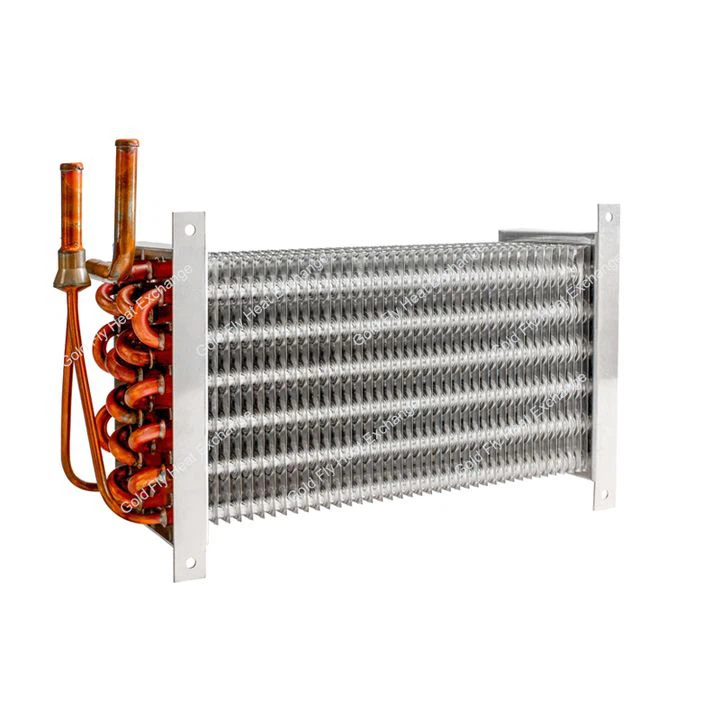
If you have any questions or want to start a conversation about your evaporator coil needs, don't hesitate to reach out. We're always happy to discuss your project and provide you with the best solutions.
In conclusion, while there aren't direct regulations on evaporator coil dimensions, there are many industry standards and local codes that have an impact on how the coils are sized and designed. As a supplier, we have to navigate these regulations to ensure that our products are safe, efficient, and compliant. Whether you're an HVAC contractor, a building owner, or an engineer, we're here to be your trusted partner in finding the perfect evaporator coil for your needs.
References:
- ASHRAE Standards and Guidelines
- Local Building Codes
- UL Product Safety Standards