

Yo, I'm a supplier of Chiller Evaporator Coils, and I've seen my fair share of compatibility issues between refrigerants and these coils. It's a real headache, but don't worry, I'm here to break it down for you and share some tips on how to solve these problems.
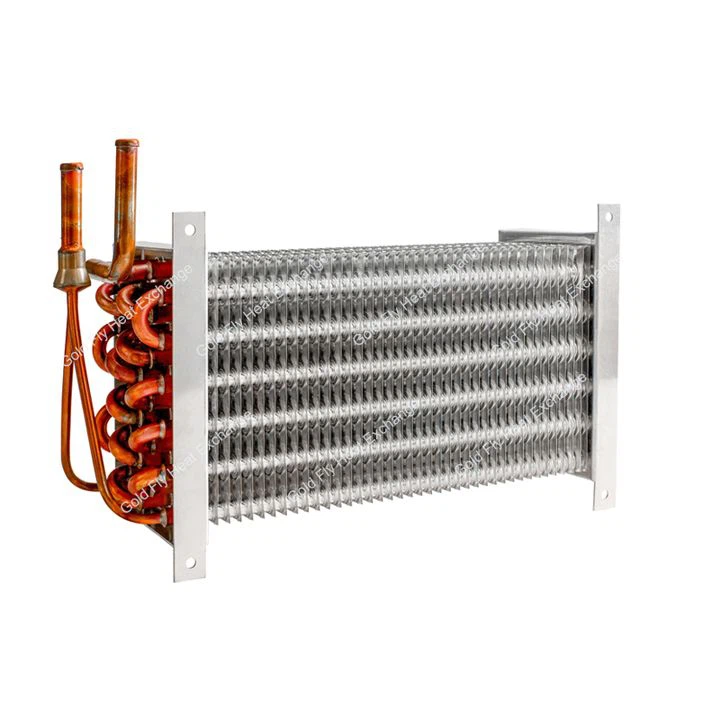

First off, let's talk about why compatibility is such a big deal. The refrigerant is the lifeblood of the chiller system. It absorbs heat from the surrounding environment in the evaporator coil and then releases it elsewhere. If the refrigerant isn't compatible with the materials of the evaporator coil, it can lead to a whole host of problems. For example, some refrigerants can cause corrosion of the coil materials over time. This not only shortens the lifespan of the coil but can also reduce the efficiency of the chiller system. A corroded coil won't transfer heat as effectively, which means your chiller has to work harder to achieve the same cooling effect, and that's going to cost you more in energy bills.
Another issue is chemical reactions. Certain refrigerants might react with the metals or coatings used in the evaporator coil. This can result in the formation of deposits or sludge inside the coil, which can block the flow of the refrigerant and further reduce the system's performance.
So, how do we solve these compatibility problems? Well, the first step is to do your research. Before you choose a refrigerant for your chiller system, you need to know what materials your evaporator coil is made of. Most chiller evaporator coils are made of copper, aluminum, or a combination of both. Copper is a great conductor of heat, but it can be susceptible to corrosion in the presence of certain refrigerants. Aluminum, on the other hand, is lightweight and resistant to corrosion in many environments, but it also has its limitations.
If you're in the market for a new evaporator coil, you can check out our New Evaporator Coil options. We offer a variety of coils made from different materials to suit different refrigerant requirements.
Once you know the materials of your coil, you need to match them with the right refrigerant. There are many types of refrigerants out there, such as R - 22, R - 410A, R - 134a, and more. Each refrigerant has its own chemical properties and compatibility characteristics. For example, R - 22 has been a popular refrigerant for many years, but it's being phased out due to its ozone - depleting potential. R - 410A is a more environmentally friendly alternative, but it operates at higher pressures than R - 22, so your evaporator coil needs to be able to handle those pressures.
You should also consider the operating conditions of your chiller system. The temperature, pressure, and humidity in which the system operates can all affect the compatibility between the refrigerant and the coil. For instance, in a high - humidity environment, some refrigerants might cause more corrosion on the coil materials. So, make sure you take these factors into account when making your refrigerant choice.
If you're not sure which refrigerant is the best fit for your Chiller Evaporator Coil, you can consult with a professional HVAC engineer. They have the knowledge and experience to analyze your specific situation and recommend the most suitable refrigerant.
Another important aspect is maintenance. Regular maintenance of your chiller evaporator coil can help prevent compatibility - related problems. You should clean the coil regularly to remove any dirt, debris, or deposits that might have accumulated. This will ensure that the coil is operating at its optimal efficiency and reduce the risk of chemical reactions between the refrigerant and the coil materials.
When it comes to cleaning, you need to use the right cleaning agents. Some cleaning agents might be too harsh and can damage the coil materials. Make sure you choose a cleaning agent that is compatible with both the refrigerant and the coil materials.
You also need to check the refrigerant levels regularly. Low refrigerant levels can cause the system to operate inefficiently and can also lead to overheating of the compressor. On the other hand, over - charging the system with refrigerant can put extra stress on the evaporator coil and other components, increasing the risk of compatibility issues.
If you're looking for a chiller evaporator coil with specific dimensions, we have you covered. Check out our Evaporator Coil Dimensions page to find the right coil for your system.
In some cases, you might need to retrofit your existing chiller system to improve the compatibility between the refrigerant and the evaporator coil. This could involve replacing the coil with a more compatible one or upgrading the refrigerant management system. Retrofitting can be a bit expensive, but it's often a necessary step to ensure the long - term performance and reliability of your chiller system.
In conclusion, solving the compatibility problems of refrigerant and chiller evaporator coil materials requires a combination of careful selection, proper maintenance, and sometimes, retrofitting. By doing your research, consulting with professionals, and taking good care of your system, you can avoid many of the headaches associated with compatibility issues.
If you're interested in purchasing chiller evaporator coils or need more information about refrigerant compatibility, feel free to reach out to us. We're here to help you find the best solutions for your chiller system. Let's work together to ensure your chiller operates smoothly and efficiently.
References
- ASHRAE Handbook of Refrigeration.
- HVAC System Design and Installation Guides.
- Manufacturer's specifications for refrigerants and evaporator coils.