

Hey there! As a supplier of Chiller Evaporator Coils, I've dealt with a bunch of issues over the years, and noise problems are definitely up there on the list. In this blog, I'm gonna break down the noise problems associated with a chiller evaporator coil, so you know what to look out for and how we can help.
1. Understanding the Basics of a Chiller Evaporator Coil
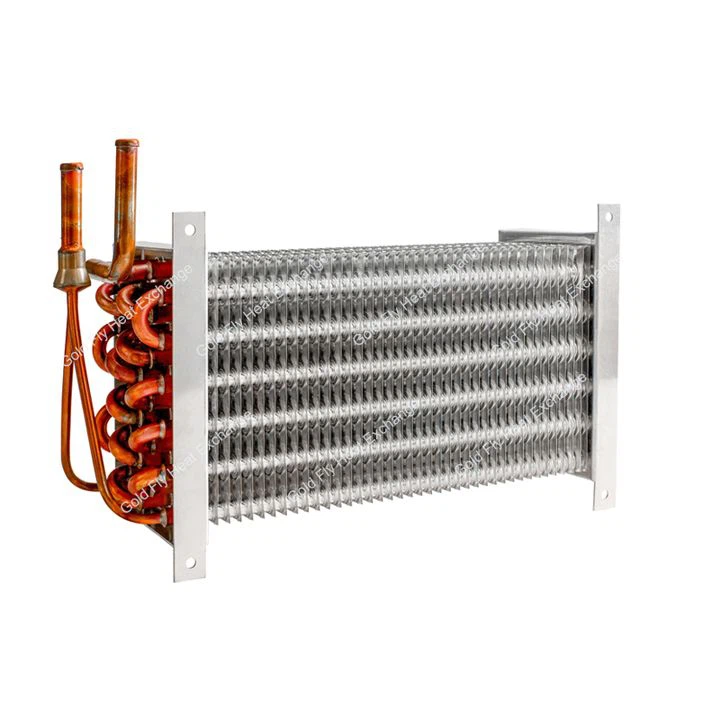
Before we jump into the noise problems, let's quickly go over what a chiller evaporator coil does. The chiller evaporator coil is a crucial part of the refrigeration system. It's where the refrigerant absorbs heat from the surrounding environment, like the air or water in a building's HVAC system. This process cools down the space and keeps things comfortable. You can check out more details about Chiller Evaporator Coil on our website.
2. Common Noise Sources in a Chiller Evaporator Coil
2.1. Fluid Flow Noise
One of the most common noise sources is the flow of refrigerant through the coil. When the refrigerant moves through the narrow tubes of the evaporator coil, it can create a hissing or whistling sound. This is especially true if the flow rate is too high or if there are restrictions in the tubes. For example, if there's debris or a blockage in the coil, it can cause the refrigerant to flow unevenly, leading to noise.
2.2. Vibration Noise
Vibrations can also be a major culprit. The compressor and other components in the chiller system can generate vibrations that transfer to the evaporator coil. Over time, these vibrations can cause the coil to rattle or shake, creating a noticeable noise. If the coil isn't properly secured or if there are loose parts, the vibration noise can be even worse.
2.3. Airflow Noise
The movement of air across the evaporator coil can also produce noise. When the air passes through the fins of the coil, it can create a whooshing or humming sound. This is more likely to happen if the airflow rate is too high or if the fins are dirty or damaged. Dirty fins can disrupt the smooth flow of air, causing turbulence and noise.
3. Impact of Noise Problems
3.1. Comfort Issues
Noise from the chiller evaporator coil can be a real nuisance, especially in commercial or residential buildings. It can make it difficult for people to concentrate, sleep, or relax. If the noise is loud enough, it can even cause stress and discomfort, which is definitely not what you want in a comfortable living or working environment.
3.2. Equipment Damage
Persistent noise problems can also be a sign of underlying issues that could lead to equipment damage. For example, excessive vibrations can cause the tubes in the evaporator coil to crack or leak, which can lead to refrigerant loss and reduced efficiency. In addition, high - flow noise can indicate a problem with the refrigerant system, such as a clogged expansion valve, which can put extra strain on the compressor and other components.
4. How to Identify Noise Problems
4.1. Listen for Unusual Sounds
The first step in identifying noise problems is to simply listen for any unusual sounds coming from the chiller evaporator coil. Pay attention to the type of noise, such as hissing, whistling, rattling, or humming. Different types of noise can indicate different problems, so it's important to be able to describe the noise accurately when seeking a solution.
4.2. Check for Vibration
You can also check for vibration by placing your hand gently on the coil or nearby components. If you feel excessive vibration, it could be a sign of a problem. Make sure to also check if the coil is properly secured and if there are any loose parts that could be causing the vibration.
4.3. Inspect the Coil
Regular inspections of the evaporator coil can help you identify potential noise - causing issues. Check for dirty or damaged fins, blockages in the tubes, and signs of refrigerant leaks. You can find more information about proper coil maintenance and inspection on our page about Evaporator Coil Dimensions, which also gives you an idea of what a well - maintained coil should look like.

5. Solutions to Noise Problems
5.1. Adjusting Fluid Flow
If the noise is due to fluid flow issues, you may need to adjust the refrigerant flow rate. This can be done by adjusting the expansion valve or other flow - control devices in the refrigeration system. A proper adjustment can help ensure a smooth and even flow of refrigerant through the coil, reducing noise.
5.2. Vibration Isolation
To reduce vibration noise, you can use vibration isolation mounts or pads. These can help absorb the vibrations and prevent them from transferring to the evaporator coil. Make sure to install the isolation mounts correctly to ensure maximum effectiveness.
5.3. Cleaning and Maintenance
Regular cleaning and maintenance of the evaporator coil can also help reduce noise. Cleaning the fins can improve airflow and reduce turbulence, while removing any blockages in the tubes can ensure a smooth flow of refrigerant. If the fins are damaged, they may need to be repaired or replaced. You can find high - quality replacement parts on our New Evaporator Coil page.
6. Why Choose Our Chiller Evaporator Coils
We understand the importance of a quiet and efficient chiller evaporator coil. That's why our coils are designed and manufactured with high - quality materials and advanced technology to minimize noise problems. We use precision - engineered tubes and fins to ensure smooth fluid and airflow, and our coils are properly secured to reduce vibration.
In addition, we offer comprehensive after - sales support, including installation, maintenance, and repair services. Our team of experts can help you identify and solve any noise problems you may encounter with your chiller evaporator coil.
7. Contact Us for Procurement and Consultation
If you're facing noise problems with your current chiller evaporator coil or if you're in the market for a new one, don't hesitate to get in touch with us. We're here to help you find the best solution for your needs. Whether you need a custom - designed coil or just some advice on noise reduction, our team is ready to assist you.
References
- ASHRAE Handbook - HVAC Systems and Equipment. American Society of Heating, Refrigerating and Air - Conditioning Engineers.
- Refrigeration and Air Conditioning Technology. William C. Whitman, William M. Johnson, John Tomczyk, Eugene Silberstein.