

A chiller evaporator coil plays a crucial role in the overall efficiency of a chiller system. It is responsible for absorbing heat from the surrounding environment, allowing the refrigerant inside to change from a liquid to a vapor state. However, over time, these coils can become dirty, which significantly impacts the performance of the chiller. As a Chiller Evaporator Coil supplier, I've witnessed firsthand the consequences of dirty coils and understand the importance of recognizing the signs early. In this blog, I'll share some key indicators that your chiller evaporator coil might be dirty.
Reduced Cooling Capacity
One of the most obvious signs of a dirty chiller evaporator coil is a reduced cooling capacity. When the coil is clean, it can efficiently transfer heat from the air or liquid being cooled to the refrigerant. But when dirt, dust, and debris accumulate on the coil's surface, they act as an insulating layer. This insulation prevents the proper transfer of heat, causing the chiller to struggle to reach the desired cooling temperature.
For instance, if you notice that your chiller is running longer cycles but not achieving the same level of cooling as before, it could be due to a dirty evaporator coil. You might also find that the temperature in the space being cooled is consistently higher than the set point, even when the chiller is operating at full capacity. This reduced cooling capacity not only affects the comfort of the environment but can also lead to increased energy consumption as the chiller has to work harder to maintain the temperature.
Increased Energy Consumption
As mentioned earlier, a dirty evaporator coil forces the chiller to work harder to achieve the desired cooling effect. This extra work translates into increased energy consumption. The compressor, which is the heart of the chiller system, has to run for longer periods and at higher pressures to compensate for the reduced heat transfer efficiency of the dirty coil.
According to industry studies, a dirty evaporator coil can increase energy consumption by up to 30%. This means that you'll see a significant spike in your electricity bills over time. If you notice a sudden increase in your energy costs without any corresponding change in your usage patterns, it's worth checking the condition of your chiller evaporator coil. By cleaning or replacing the coil, you can restore its efficiency and reduce your energy expenses.
Higher Discharge Temperatures
Another sign of a dirty chiller evaporator coil is higher discharge temperatures. The refrigerant in the evaporator coil absorbs heat from the surrounding environment and then travels to the compressor. When the coil is dirty, the refrigerant doesn't absorb as much heat as it should, resulting in a lower temperature difference between the inlet and outlet of the evaporator.
As a result, the refrigerant enters the compressor at a higher temperature than normal. The compressor then has to work harder to compress this warmer refrigerant, leading to higher discharge temperatures. You can measure the discharge temperature using a temperature sensor installed on the compressor's discharge line. If the temperature is consistently higher than the manufacturer's recommended range, it could indicate a dirty evaporator coil.
Poor Airflow
A dirty evaporator coil can also restrict airflow through the chiller system. The dirt and debris on the coil block the passage of air, preventing it from flowing freely over the coil's surface. This reduced airflow not only affects the heat transfer efficiency but can also cause other problems in the system.

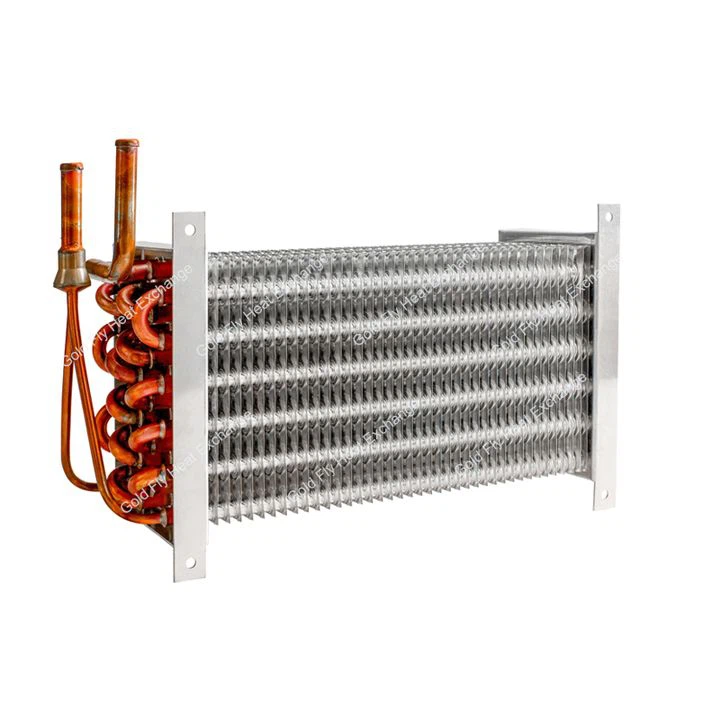
For example, poor airflow can lead to uneven cooling in the space being conditioned. You might notice that some areas are cooler than others, or that there are hot spots in the room. Additionally, restricted airflow can cause the fan to work harder, leading to increased wear and tear on the fan motor and other components. If you feel a decrease in the airflow coming from the vents or notice that the fan is making louder noises than usual, it could be a sign of a dirty evaporator coil.
Frost or Ice Formation
In some cases, a dirty chiller evaporator coil can cause frost or ice to form on the coil's surface. When the airflow is restricted due to dirt and debris, the temperature of the refrigerant in the coil drops below the freezing point. This causes moisture in the air to condense and freeze on the coil, forming a layer of frost or ice.
Frost or ice formation on the evaporator coil can further reduce its efficiency and cause damage to the coil over time. It can also lead to water leaks and other problems in the chiller system. If you notice frost or ice on the evaporator coil, it's important to shut down the chiller immediately and have the coil cleaned or replaced.
Visible Dirt and Debris
Of course, one of the most straightforward signs of a dirty chiller evaporator coil is visible dirt and debris on the coil's surface. You can visually inspect the coil by removing the access panel on the chiller unit. If you see a thick layer of dust, dirt, or other contaminants on the coil, it's a clear indication that it needs to be cleaned.
However, it's important to note that not all dirt and debris are visible to the naked eye. Some contaminants, such as oil and grease, can accumulate on the coil's surface and cause problems even if they're not easily detectable. That's why it's recommended to have your chiller evaporator coil inspected regularly by a professional technician.
How to Address a Dirty Chiller Evaporator Coil
If you suspect that your chiller evaporator coil is dirty, there are several steps you can take to address the issue. The first step is to clean the coil. You can do this by using a coil cleaner and a soft brush to remove the dirt and debris from the coil's surface. Be sure to follow the manufacturer's instructions when using the coil cleaner and take appropriate safety precautions.
If the coil is severely dirty or damaged, it may need to be replaced. As a Chiller Evaporator Coil supplier, I can provide you with high-quality replacement coils that are designed to meet the specifications of your chiller system. You can find more information about Evaporator Coil Dimensions and New Evaporator Coil on our website.
Regular maintenance is also key to preventing a dirty chiller evaporator coil. You should have your chiller system inspected and serviced at least once a year by a qualified technician. They can clean the coil, check the refrigerant levels, and perform other necessary maintenance tasks to ensure the system is operating at peak efficiency.
Conclusion
Recognizing the signs of a dirty chiller evaporator coil is essential for maintaining the efficiency and performance of your chiller system. By paying attention to the indicators mentioned in this blog, you can identify the problem early and take appropriate action to address it. Whether it's cleaning the coil or replacing it with a Chiller Evaporator Coil, taking proactive steps can save you money on energy costs and prevent costly repairs in the long run.
If you have any questions or need further assistance with your chiller evaporator coil, don't hesitate to contact us. We're here to help you find the best solutions for your cooling needs and ensure the optimal performance of your chiller system.
References
- ASHRAE Handbook - HVAC Systems and Equipment. American Society of Heating, Refrigerating and Air-Conditioning Engineers.
- Chiller Efficiency Best Practices Guide. U.S. Department of Energy.
- Refrigeration and Air Conditioning Technology. Eugene Silberstein.