

Hey there! I'm a supplier of Chiller Evaporator Coils, and I've seen my fair share of issues with these things not working properly. In this blog, I'm gonna walk you through the troubleshooting steps for a non - functioning chiller evaporator coil.
1. Check the Power Supply
The first thing you gotta do is make sure the chiller evaporator coil is getting power. Sounds obvious, right? But you'd be surprised how many times it's just a simple power issue. Check the circuit breaker to see if it has tripped. If it has, reset it and see if the coil starts working. Sometimes, a power surge can cause the breaker to trip, and resetting it can solve the problem.
If the breaker keeps tripping, there might be a short circuit in the system. This is a more serious issue that might require the help of a professional electrician. They can use specialized equipment to find and fix the short circuit.
2. Examine the Refrigerant Levels
Refrigerant is like the lifeblood of the chiller evaporator coil. If the refrigerant levels are too low, the coil won't be able to cool properly. You can use a refrigerant gauge to check the levels. Most coils have a recommended pressure range for the refrigerant, and you can find this information in the manufacturer's manual.

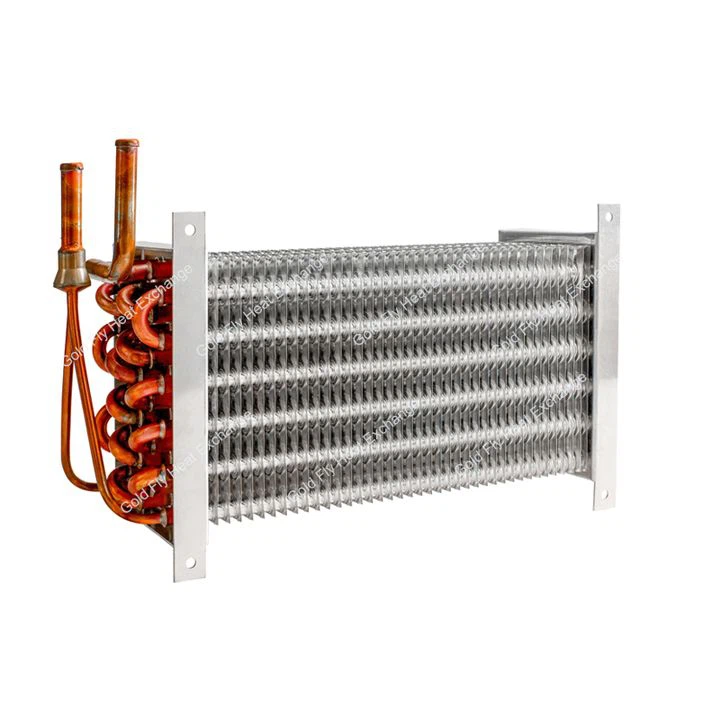
If the refrigerant levels are low, there could be a leak in the system. Look for signs of refrigerant leaks, such as oily spots around the coil or hissing sounds. Fixing a refrigerant leak can be tricky, and it's usually best to call in a professional technician. They have the tools and expertise to find and repair the leak and then recharge the refrigerant to the proper levels.
3. Inspect the Airflow
Proper airflow is crucial for the chiller evaporator coil to work efficiently. Blocked airflow can cause the coil to freeze up or not cool effectively. Start by checking the air filters. If they're dirty or clogged, they can restrict the airflow. Replace the filters if they look bad. It's a good idea to change the air filters regularly to prevent this problem from happening.
Also, check the vents around the coil. Make sure they're not blocked by furniture, boxes, or other objects. Sometimes, even a small obstruction can significantly reduce the airflow. You can use a piece of paper to test the airflow at the vents. If the paper doesn't move, there might be an issue with the airflow.
4. Look for Coil Damage
Physical damage to the chiller evaporator coil can also cause it to malfunction. Inspect the coil for any signs of dents, bends, or corrosion. Dents and bends can disrupt the flow of refrigerant and air through the coil, while corrosion can weaken the coil and cause leaks.
If you find minor damage, you might be able to repair it yourself. For example, you can straighten out small dents using a pair of pliers. However, if the damage is severe, it's probably best to replace the coil. You can find a New Evaporator Coil that fits your system on our website.
5. Check the Fan Operation
The fan plays an important role in the operation of the chiller evaporator coil. It helps to circulate the air over the coil, which is necessary for the cooling process. Listen for any unusual noises coming from the fan. A loud or grinding noise could indicate a problem with the fan motor or the bearings.
You can also try to spin the fan blades by hand. If they're difficult to turn or don't spin freely, there might be an issue. Sometimes, the fan blades can get dirty or clogged with debris, which can cause them to slow down or stop working. Clean the fan blades and make sure they're properly aligned.
6. Verify the Thermostat Settings
The thermostat is what controls the temperature of the chiller evaporator coil. If the settings are incorrect, the coil might not be operating at the right temperature. Check the thermostat to make sure it's set to the desired temperature. Also, make sure the thermostat is working properly. You can test it by setting it to a different temperature and seeing if the coil responds.
If the thermostat seems to be malfunctioning, you might need to replace it. You can find a variety of thermostats on the market, and you can choose one that's compatible with your chiller evaporator coil.
7. Analyze the Water Flow (if applicable)
Some chiller evaporator coils use water for cooling. If your coil is a water - cooled type, you need to check the water flow. Make sure the water pump is working properly and that there are no blockages in the water pipes. You can use a flow meter to measure the water flow rate.
Low water flow can cause the coil to overheat, which can lead to damage. If you find a blockage in the water pipes, you can try to clear it using a pipe cleaner or a plumbing snake. However, if the problem persists, it's best to call a plumber.
8. Review the Control System
The control system of the chiller evaporator coil is responsible for regulating the operation of the coil. If there's a problem with the control system, the coil might not function correctly. Check the control panel for any error messages. Most modern coils have a diagnostic system that can display error codes.
You can look up the error codes in the manufacturer's manual to find out what the problem is. Sometimes, a simple reset of the control system can solve the issue. If the problem persists, it might be a more complex issue with the control board, and you'll need to call a professional technician.
Conclusion
Troubleshooting a non - functioning chiller evaporator coil can be a bit of a headache, but by following these steps, you can often identify and fix the problem. Remember, if you're ever unsure or if the problem seems too complex, it's always best to call in a professional.
If you're in the market for a new Chiller Evaporator Coil or need to know more about Evaporator Coil Dimensions, we're here to help. We offer high - quality coils at competitive prices. If you have any questions or are interested in purchasing, don't hesitate to reach out for a procurement discussion.
References
- Manufacturer's manuals for chiller evaporator coils
- HVAC industry best practices guides